
Table of Contents
This Beginner Running Guide covers everything you need to know to start running safely, build endurance, and stay motivated. Whether your goal is to improve your health, lose weight, prepare for your first 5K, or simply enjoy outdoor exercise, this guide will help you take your first steps with confidence.
Starting a running journey can feel exciting, but it can also be overwhelming. Questions about the right shoes, training plans, breathing techniques, and injury prevention often discourage people before they even begin. The good news is that becoming a runner doesn’t require expensive equipment or elite athletic ability. With the right approach, anyone can develop the habit of running and enjoy its physical and mental benefits.
Why Running Is a Great Exercise for Beginners
Running is one of the most accessible forms of exercise. Unlike many sports, it requires very little equipment and can be done almost anywhere. Parks, neighborhoods, tracks, and trails all provide excellent places to train.
Running is also highly adaptable. You can start with short run-and-walk intervals and gradually increase your distance as your fitness improves. This flexibility makes it an excellent choice for beginners of all ages.
Benefits of Running
Regular running offers numerous health and lifestyle benefits, including:
- Improved heart health
- Better lung capacity
- Increased stamina and endurance
- Stronger muscles and bones
- Weight management
- Reduced stress and anxiety
- Better sleep quality
- Improved mood through the release of endorphins
- Greater self-confidence
Beyond physical fitness, running can become a lifelong habit that supports both mental well-being and overall health.
Essential Running Gear for Beginners
You don’t need a closet full of expensive gear to get started. Focus on quality essentials that improve comfort and reduce the risk of injury.
Running Shoes
A comfortable pair of running shoes is your most important investment. Choose shoes that match your foot shape, running style, and preferred terrain. Replace them after approximately 300–500 miles of use, depending on wear.
Moisture-Wicking Clothing
Technical fabrics help keep sweat away from your skin, reducing irritation and helping regulate body temperature.
Running Socks
Quality running socks reduce friction and help prevent blisters during longer runs.
Sports Watch or Running App
Tracking your distance, pace, and time helps measure progress and keeps you motivated. Beginners don’t need advanced features—simple tracking is enough.
Water Bottle
Hydration is essential before, during, and after your runs, especially in warm weather.
How to Start Running
One of the biggest mistakes beginners make is trying to run too far or too fast on their first day. Instead, ease into the sport.
Step 1: Walk Before You Run
Begin with brisk walking to prepare your muscles and cardiovascular system. A five-minute warm-up walk before every run helps reduce injury risk.
Step 2: Use the Run-Walk Method
Alternate short periods of running with walking. For example:
- Run for 1 minute
- Walk for 2 minutes
- Repeat for 20–30 minutes
Gradually increase the running intervals as your fitness improves.
Step 3: Focus on Time Instead of Distance
Instead of worrying about miles, aim to stay active for 20–30 minutes. Your endurance will naturally improve over time.
Step 4: Increase Gradually
Avoid increasing your weekly mileage by large amounts. Gradual progression allows your muscles, joints, and tendons to adapt safely.
A Simple 4-Week Beginner Running Plan
Week 1
- 3 workout days
- 20 minutes each
- Run 1 minute, walk 2 minutes
Week 2
- 3 workout days
- 25 minutes
- Run 2 minutes, walk 2 minutes
Week 3
- 3 workout days
- 30 minutes
- Run 3 minutes, walk 2 minutes
Week 4
- 3 workout days
- 30–35 minutes
- Run 5 minutes, walk 2 minutes
Take at least one rest day between running sessions to allow your body to recover.
Learn Proper Running Form
Good technique helps you run more efficiently and comfortably.
Keep these tips in mind:
- Stand tall with a relaxed posture.
- Look ahead rather than at your feet.
- Keep your shoulders loose.
- Swing your arms naturally.
- Land with your feet beneath your hips.
- Avoid taking overly long strides.
Efficient running form reduces unnecessary energy expenditure and lowers the likelihood of injury.
Breathing Techniques
Many beginners worry about breathing, but there’s no single “correct” pattern.
Instead:
- Breathe deeply from your diaphragm.
- Inhale through your nose and mouth when needed.
- Exhale steadily.
- Slow your pace if you struggle to maintain a conversation.
If you can comfortably speak in short sentences while running, you’re likely training at an appropriate intensity.
Nutrition for New Runners
Eating a balanced diet supports both performance and recovery.
Before Running
Choose easily digestible carbohydrates about one to two hours before exercise, such as:
- Bananas
- Oatmeal
- Whole-grain toast
- Yogurt with fruit
After Running
Aim to eat within 30–60 minutes after finishing your workout. Include carbohydrates to replenish energy and protein to support muscle recovery.
Examples include:
- Grilled chicken with rice
- Greek yogurt with berries
- Eggs on whole-grain toast
- Smoothies with fruit and protein
Stay Hydrated
Drink water throughout the day rather than waiting until you feel thirsty.
For longer or more intense runs, consider beverages that replace electrolytes lost through sweat.
Recovery Is Part of Training
Your body becomes stronger during recovery, not during the workout itself.
Support recovery by:
- Sleeping 7–9 hours each night
- Stretching after running
- Taking rest days
- Eating nutritious meals
- Staying hydrated
Ignoring recovery can increase fatigue and raise your risk of injury.
Common Beginner Running Mistakes
Avoid these common errors:
- Running too fast every session
- Skipping warm-ups
- Wearing unsuitable shoes
- Increasing mileage too quickly
- Ignoring pain
- Comparing yourself to experienced runners
- Forgetting rest days
Remember that consistency beats intensity when you’re starting out.
How to Stay Motivated
Motivation naturally comes and goes, so build habits that keep you moving.
Try these ideas:
- Set realistic goals.
- Follow a training schedule.
- Track your progress.
- Join a local running group.
- Listen to music or podcasts.
- Celebrate small milestones.
- Sign up for a fun 5K event.
Progress isn’t always measured by speed. Running a little farther or feeling more comfortable during a workout are meaningful achievements.
When Should You Replace Your Running Shoes?
Running shoes lose cushioning over time, even if they still look new.
Replace them if you notice:
- Worn-out soles
- Reduced comfort
- New aches or pains
- Uneven wear patterns
Regularly replacing shoes helps maintain comfort and reduce stress on your joints.
Frequently Asked Questions
How often should beginners run?
Three running sessions per week is a good starting point, with rest or cross-training on the other days.
Is walking okay during a run?
Absolutely. The run-walk method is one of the best ways for beginners to build endurance safely.
How long before I can run 5K without stopping?
Many beginners reach this goal within 8–12 weeks of consistent training, though progress varies by individual.
Should I stretch before running?
Use dynamic movements such as leg swings or walking lunges before running. Save static stretching for after your workout.
What is the best surface for beginners?
Paved paths, tracks, and well-maintained trails are all good choices. Softer surfaces may reduce impact but can require more balance.
Do I need expensive gear?
No. A quality pair of running shoes and comfortable, moisture-wicking clothing are enough to begin.
Conclusion
Starting your running journey doesn’t require perfect fitness or expensive equipment. It simply requires consistency, patience, and a willingness to improve one step at a time.
Use this Beginner Running Guide as your foundation. Focus on building healthy habits, following a realistic training plan, and listening to your body. Over time, you’ll gain endurance, confidence, and a genuine enjoyment of running.
Remember, every experienced runner was once a beginner. Your first run is the start of a healthier, stronger, and more active lifestyle.
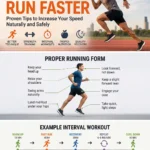
Also dont forget to read our blog about How to Run Faster: 15 Proven Tips to Increase Your Speed